College and career readiness programs are meant to help students graduate with a clear sense of direction, whether that means pursuing higher education, career training, or entering the workforce. But too often, readiness is treated as an outcome rather than a set of skills students actively develop over time.
When career exploration isn’t built into the high school experience, students are often left to make sense of their future on their own. That may help explain why only 22% of students say their school supported them in identifying a potential career path.
Preparing students for what comes after high school works best when districts take a long-term, skills-based approach. It takes a deliberate focus on the skills students need to navigate choices, set goals, and take next steps with confidence.
This blog walks through 12 essential college and career readiness skills districts can intentionally build, helping students graduate with direction, purpose, and a plan for what comes next.
What Is College and Career Readiness and Why it Matters
College and career readiness means students graduate with the academic knowledge, practical skills, and planning experience they need to pursue postsecondary education, training, or employment.
When those foundations aren’t in place, the impact shows up quickly. A majority of students entering public two-year institutions—and a significant share at four-year institutions—take at least one remedial course. Many students also report feeling unprepared for life after graduation, even after completing traditional academic requirements.
At the same time, the data points to what does work. Students who combine rigorous coursework with career-connected learning—such as CTE pathways—are more likely to meet college and career readiness goals than peers who follow a college-prep track alone. Early exposure to career preparation also pays off beyond graduation, with career-aligned internships linked to higher early-career earnings.
Together, this research underscores a clear takeaway: readiness isn’t just about meeting course requirements. It’s about helping students build the skills to make decisions, connect learning to future goals, and take meaningful next steps.

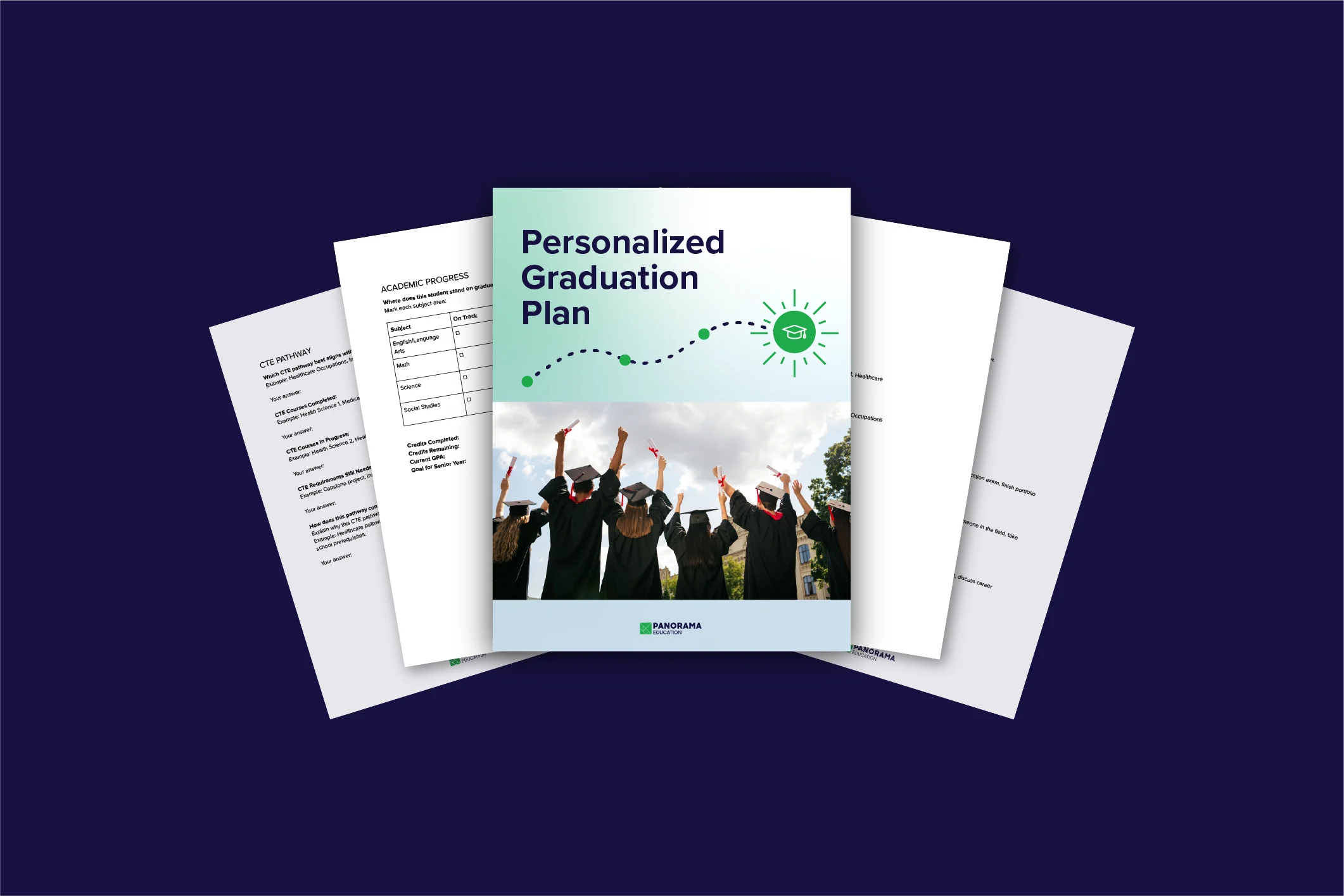
Graduation Tracking Toolkit
Download templates, guides, and college & career readiness activities to share with your school teams.
12 Skills College and Career Ready Students Need
The National Association of Colleges and Employers (NACE) outlines a set of skills that define career readiness, and they consistently rise to the top in hiring decisions. When employers are choosing between candidates with similar academic credentials, the differentiators are clear communication, problem-solving, and the ability to work well with others.
Most employers expect to provide training on role-specific or technical tasks. What’s harder to teach (and often far more valuable) are the skills that shape how someone approaches challenges, responds to feedback, and collaborates as part of a team.
1. Written and Verbal Communication
College- and career-ready students can express ideas clearly, both in writing and in conversation. In college, this shows up through class discussions, research papers, and professional communication with professors. In the workplace, it includes writing clear emails, presenting ideas to colleagues, and explaining complex information to different audiences.
Strong communication also goes beyond speaking and writing. Students need to listen actively, ask clarifying questions, and adjust their tone, vocabulary, and approach based on who they’re communicating with and why.
2. Critical Thinking and Problem Solving
Analyzing information, questioning assumptions, and working through challenges to arrive at thoughtful solutions are all crucial to strong critical thinking skills. This includes evaluating the credibility of sources, recognizing bias, and weighing multiple options before making decisions.
Employers consistently rank critical thinking among the most in-demand skills, yet many new hires struggle to apply what they learned in the classroom to real-world problems. Students build this skill by analyzing case studies, debating complex issues, and troubleshooting authentic scenarios well before graduation.
3. Teamwork and Collaboration
Students should work with others to complete projects and reach shared goals. This means dividing responsibilities fairly, communicating progress, and resolving disagreements without escalating conflict. Group work in school often frustrates students, but the ability to collaborate with people who have different working styles, opinions, and strengths is required in nearly every job. Students should practice giving and receiving feedback, compromising when necessary, and holding themselves accountable to the group.
4. Time Management and Organization
A key CCR skill is the ability to manage time, prioritize competing responsibilities, and meet deadlines with increasing independence. In college, students are expected to keep track of assignments and deadlines on their own. In the workplace, missed deadlines can affect entire teams and projects.
Building this skill means learning how to plan ahead and stay organized. Students benefit from using planners, calendars, or digital tools to track due dates, break larger projects into manageable steps, and account for unexpected changes along the way.
5. Technology Proficiency
Technology proficiency goes beyond comfort with devices or social media. Students need experience using common workplace tools such as email, word processing programs, spreadsheets, presentation software, and video conferencing platforms.
Digital literacy is now part of that baseline. Students should understand how to use AI tools responsibly to support tasks like research, drafting, and organization—while also knowing how to evaluate outputs, check accuracy, and follow clear guidelines for appropriate use. Formatting professional documents, organizing data in spreadsheets, and troubleshooting basic technical issues independently all prepare students for expectations in college and the workplace.
6. Professionalism and Work Ethic
Professionalism shows up in everyday behaviors: arriving on time, meeting expectations, and interacting respectfully with peers, instructors, and supervisors. It also includes following through on commitments, taking responsibility for mistakes, and representing yourself honestly.
In college and the workplace, these habits matter. Employers consistently notice when new hires miss deadlines, make excuses, or struggle to engage appropriately in professional settings. Building professionalism early helps students develop reliability and credibility they’ll carry into future roles.
7. Initiative and Self-Direction
Initiative and self-direction show up when students take action without waiting to be told what to do. This can include volunteering for tasks, asking for additional responsibilities, or working through possible solutions before seeking help.
In school, students build this skill by pursuing independent projects, seeking feedback, and looking for ways to improve their work. In the workplace, employers value people who can work independently, bring forward ideas, and contribute to problem-solving rather than waiting for direction.
8. Adaptability and Resilience
Adaptability and resilience help students respond productively when things don’t go as planned. This includes using feedback to improve, adjusting when expectations change, and continuing forward after setbacks.
College and career paths are rarely linear. Students who can regroup after a challenging course, a rejected application, or a project that doesn’t work out are better prepared for long-term success. Resilience means reflecting on what went wrong, making adjustments, and trying again with a clearer approach.
9. Goal Setting and Planning
Goal setting and planning help students move from intention to action. This means identifying what they want to achieve and outlining clear, realistic steps to get there—whether that’s improving a grade, completing an application, earning a credential, or entering a career field.
Strong goal-setting practices also include revisiting goals regularly, tracking progress, and adjusting plans as circumstances change. Writing goals down and sharing them with a mentor, counselor, or family member increases accountability and follow-through.
10. Self-Awareness
Self-awareness helps students make choices that align with their strengths, interests, values, and areas for growth. This understanding supports decisions about majors, career paths, and work environments that are a better fit over time.
It also plays a role in day-to-day learning. Recognizing when to ask for help, when to push through a challenge, or when expectations are too low allows students to adjust their approach and advocate for themselves. Tools like interest inventories, skills assessments, and structured reflection help students build self-awareness gradually and intentionally.
11. Financial Literacy
Financial literacy helps students make informed decisions about education, work, and long-term stability. This includes understanding how to apply for financial aid, interpret award letters, and compare the true cost of different postsecondary options, including the differences between loans, grants, and scholarships.
For students entering the workforce, financial literacy also means knowing how to read a pay stub, create a basic budget, and avoid common pitfalls like high-interest debt. These skills directly affect whether students can afford to persist in college and how quickly they build financial stability after graduation.
12. Post-Secondary Research and Decision Making
Postsecondary research and decision-making help students evaluate the full range of options available after high school, including two-year colleges, four-year universities, trade programs, apprenticeships, and military service. Each pathway comes with different costs, timelines, and outcomes.
Making informed choices means going beyond surface-level research. Students benefit from learning how to identify programs that align with their goals, compare completion and job placement data, visit campuses or training sites, and talk with people working in fields they’re considering. Weighing tradeoffs and using reliable information helps students commit to a path with clearer expectations and confidence.
How to Ensure College and Career Readiness In School
This framework organizes the key components of college and career readiness into five focus areas, each with clear, actionable steps districts can use to strengthen (or take stock of) their current approach.
Academic Preparation
Academic preparation starts with ensuring students complete coursework aligned to graduation requirements and have access to rigorous learning opportunities, including Advanced Placement, International Baccalaureate, or honors courses.
Support matters just as much as access. Students who struggle academically benefit from timely help before they fall behind. At the district level, monitoring GPA, assessment results, and course completion patterns helps identify where additional support or adjustments are needed.
Post-Secondary Planning
Postsecondary planning works best when it begins early and builds over time. Starting in middle school, students benefit from interest and skills assessments that help inform their choices and guide future coursework.
Every student should have an individualized learning or graduation plan that evolves as their goals develop. Ongoing support includes researching and visiting colleges, technical schools, and apprenticeship programs, understanding financial aid options, completing FAFSA or state aid applications, and managing application timelines and deadlines.
Career Exploration and Work-Based Learning
Career exploration and work-based learning give students opportunities to connect classroom learning to real-world pathways. Experiences such as job shadows, career fairs, and guest speaker events help students understand what different careers look like in practice.
Stronger programs go further by offering internships, apprenticeships, or capstone projects that allow students to apply skills in authentic settings. District partnerships with local employers and community organizations make these opportunities possible, while structured practice in resume writing, interviewing, and workplace communication helps students prepare for next steps.
Progress Monitoring
Clear definitions of college and career readiness allow districts to track progress consistently across schools. Monitoring student movement toward key readiness milestones helps teams understand where students are on track and where additional support is needed.
Access to current, reliable data allows counselors and advisors to act quickly. Reviewing readiness indicators by student group and identifying early signs that students are falling off track helps districts respond before gaps widen.
Family and Community Engagement
Family and community engagement play an important role in college and career readiness. Families are better positioned to support students when they understand postsecondary options and key milestones along the way.
Districts can support this by hosting college and career readiness events, sharing regular updates on student progress, and providing clear guidance on how families can help. Partnerships with community organizations and local employers expand access to mentorship, job shadowing, and internship opportunities that reinforce learning beyond the classroom.
Turn Your Checklist Into Action
College and career readiness is most effective when academic pathways, career exploration, and work-based learning are intentionally connected over time. Students also benefit from consistent adult support and systems that surface when progress starts to slow.
Districts that take a coordinated approach often see stronger outcomes, including higher graduation rates, clearer postsecondary pathways, and graduates who are better prepared for what comes next.
Use this framework to review each category with your team and identify where students may need additional support or clarity.
To go deeper, explore Panorama's Graduation Tracking Toolkit, which includes student-focused college and career readiness activities, a graduation progress report template for families, and an eBook on strengthening graduation success.