



.jpg)
“What are you doing after graduation?” is a question students hear often, but the journey to answering it starts much earlier than senior year.
Districts support college and career readiness by investing significant time and resources across K–12, from building strong academic foundations and engagement in the early grades to offering career pathways, advising programs, and postsecondary planning tools in middle and high school.
But without hearing directly from students, districts may struggle to understand whether these efforts truly reflect what students need to feel motivated, supported, and prepared along the way.
Student voice data gives schools early, actionable insight into how students experience their learning environment, and whether they feel confident about their future. With this data in hand, educators can strengthen college and career readiness at every stage, before students ever begin to fall off track.
The Readiness Work Schools Are Already Doing
Many schools already have structures in place to support graduation and postsecondary success, such as:
- Sequenced coursework that keeps students on track
- Advising programs that guide academic and career decisions
- Counseling support for college and life-after-high-school planning
Yet even strong programs can miss the mark if students don’t fully understand their options, feel disconnected from their coursework, or aren’t sure where to turn for support. Without insight into students’ perceptions, it’s difficult to know whether readiness efforts are landing as intended, or where adjustments are needed.
Student voice data helps bridge that gap by offering direct insight into how students experience the systems designed to support them.
The Missing Signal in College and Career Readiness Data
Academic performance data and participation metrics provide essential information, but they don’t always show how students experience readiness supports. Grades, test scores, and credits earned don’t capture whether students feel confident, informed, and supported as they make decisions about their futures.
Student voice data reveals how students experience readiness supports, like whether or not they:
- Understand the connection between their coursework and future goals.
- Feel supported by adults when planning for life after high school.
- Are actively exploring college and career options—or feeling unsure where to start.
These perceptions matter. When students feel unclear or unsupported, they may disengage from planning processes long before senior year. Listening to student voice allows schools to identify those disconnects early and respond proactively.
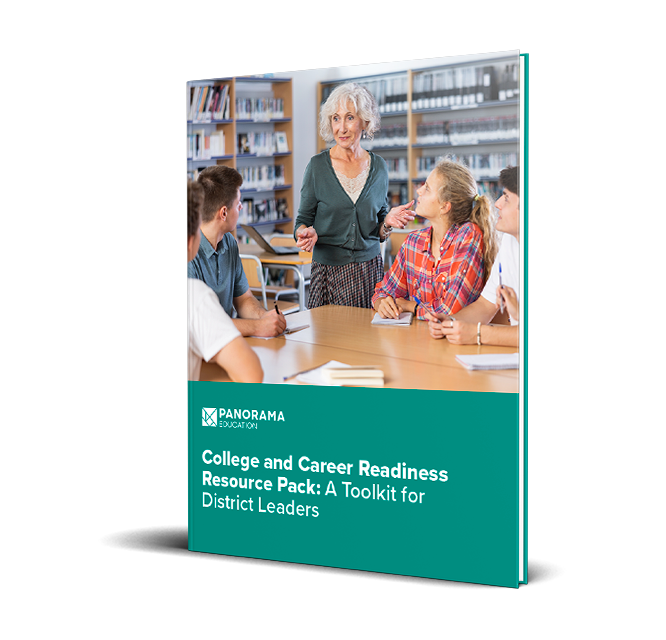
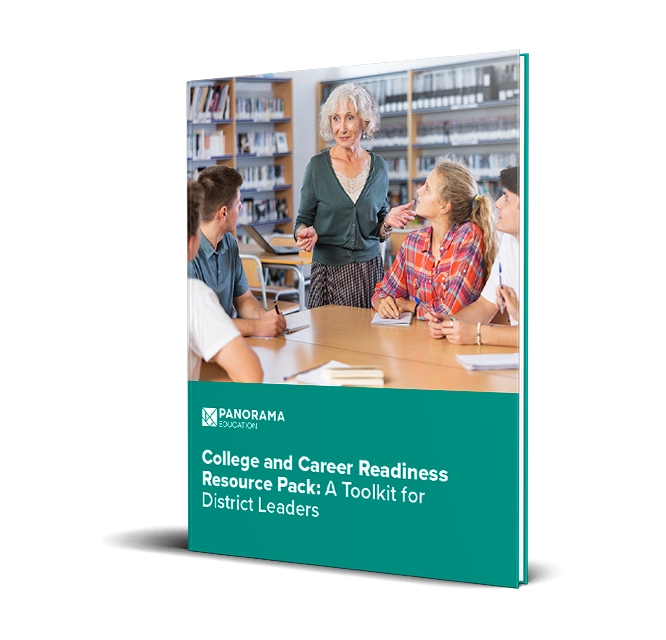
College and Career Readiness Resource Pack
A practical toolkit designed to help district teams turn readiness goals into clear action, grounded in proven strategies, student voice, and real school examples.
What Student Voice Data Can Reveal About Readiness
When schools intentionally ask students about their postsecondary preparation, clear patterns often emerge. Student voice data can reveal whether students feel confident, curious, overwhelmed, or unsure as they think about what comes next.
Example Graduation Readiness Questions for Students
These questions are drawn from Panorama’s Graduation Readiness Reflection Topic & Questions, part of our research-backed survey designed to help districts understand where students need clearer guidance and support as they plan for life after graduation.
Career Exploration
- What careers currently interest you?
- How much time have you spent looking into how much different careers typically pay?
- What could the school do to better help you explore careers that might be a good fit for you?
Academic Readiness
- How well do you understand which high school courses you need to take to reach your college and career goals?
- How well does your high school course plan support your college and career goals?
- How confident are you that your coursework is preparing you for your college and career goals?
College Exploration
- How much time have you spent looking into college majors that may be a good fit for you?
- How much time have you spent looking into college financial aid, like scholarships or the FAFSA?
- What college majors and colleges currently interest you?
Career Experiences
- Have you ever had a job (paid or unpaid), internship, or job shadowing experience?
- What work experiences (like jobs, internships, or job shadows) are you interested in trying before you graduate high school?
Responses to questions like these help educators see beyond surface-level participation. These insights highlight where readiness supports may need refinement and where students would benefit from clearer guidance.
Turning Student Feedback Into Stronger Readiness Supports
Student voice data is most powerful when it informs action. Use survey results as an action-planning tool for educators:
- Counselors and advisory teams: Spot students needing help with course planning, career interests, or financial aid.
- District and school leaders: Uncover trends across grade levels or schools to prioritize interventions and resources.
- Classroom teams: Integrate insights into instruction or advisory periods.
- Students: Use results to reflect and set post-secondary goals, especially when paired with follow-up activities.
Because readiness needs evolve over time, gathering student feedback at key points throughout high school helps schools respond before uncertainty turns into disengagement.
Using Student Voice as Part of a Continuous Improvement Cycle
Listening to students isn’t a one-time effort. And while graduation readiness surveys are most often used in high school, student voice plays an important role in college and career readiness across K–12, helping districts understand what students need at every stage as they begin to build goals, confidence, and direction.
Schools see the greatest impact when student voice is embedded into a continuous improvement cycle:
- Collect
- Analyze
- Act
- Communicate back to students
… and repeat.
We recommend administering surveys with graduation readiness topics at key points throughout students' high school journey to capture timely and developmentally relevant feedback. While college and career readiness begins much earlier, high school is often when planning becomes more immediate, making student voice especially valuable during these years:
- 9th Grade, Spring: After initial exposure to high school academics and career awareness
- 10th Grade, Spring: Building on prior reflections and introducing deeper planning
- 11th Grade, Fall: To inform high-stakes college and career planning decisions
- 12th Grade, Fall: To provide final supports before graduation
In addition, an optional follow-up survey in the spring of 11th grade may help measure growth and inform end-of-year interventions.
A continuous improvement cycle reinforces that student input matters. When students see their feedback reflected in advising practices, programming, or access to opportunities, trust and engagement grow. Over time, student voice becomes not just a data point, but a driver of more responsive and effective college and career readiness systems.
Pave the Path to Graduation with Panorama
College and career readiness is complex work, and no single data source tells the full story. Panorama Student Surveys help districts pair academic and participation data with something equally important: direct insight into how students experience readiness supports along the way.
Within the Panorama Student Survey, districts can gather feedback on key graduation readiness areas like course planning, career exploration, and postsecondary confidence. As with all Panorama survey content, these research-backed items are designed to be valid, reliable, and developmentally appropriate.
Educators and leaders can use results to strengthen advisory programming, guide counseling conversations, and improve planning efforts at both the student and school-wide level.
By listening closely through student survey data, schools can ensure their readiness investments are not only well-designed, but well-aligned, helping more students leave high school feeling confident, supported, and prepared for what comes next.