I’m able to help our system understand the data and put it into action at a much deeper and more consistent level, because the time I spend on analysis has been reduced exponentially.
Dr. Jeremy Sullivan
Prepare for changes across Learning Assistance Program (LAP), Washington Integrated Student Supports Protocol (WISSP), and specific learning disability (SLD) identification with a more connected, consistent approach to student support.
Washington’s MTSS framework gives schools a shared approach for identifying what students need, providing support, and adjusting it along the way.
Starting in September 2025, OSPI requires districts to plan and spend LAP funds through WISSP, with a greater focus on connecting academic and nonacademic supports to meet student needs.
OSPI has proposed phasing out the severe discrepancy model and moving to response to intervention-based SLD identification, starting in 2028-29. That puts more focus on the support a student received and how they responded.
Washington’s MTSS framework outlines five essentials for giving students the right support and helping educators know what’s working.

Surveys, student data, intervention planning, progress monitoring, and AI in one platform. Built around how Washington districts work.
Support the WISSP cycle in one place, from identifying needs to planning supports, tracking interventions, and using data to inform next steps.
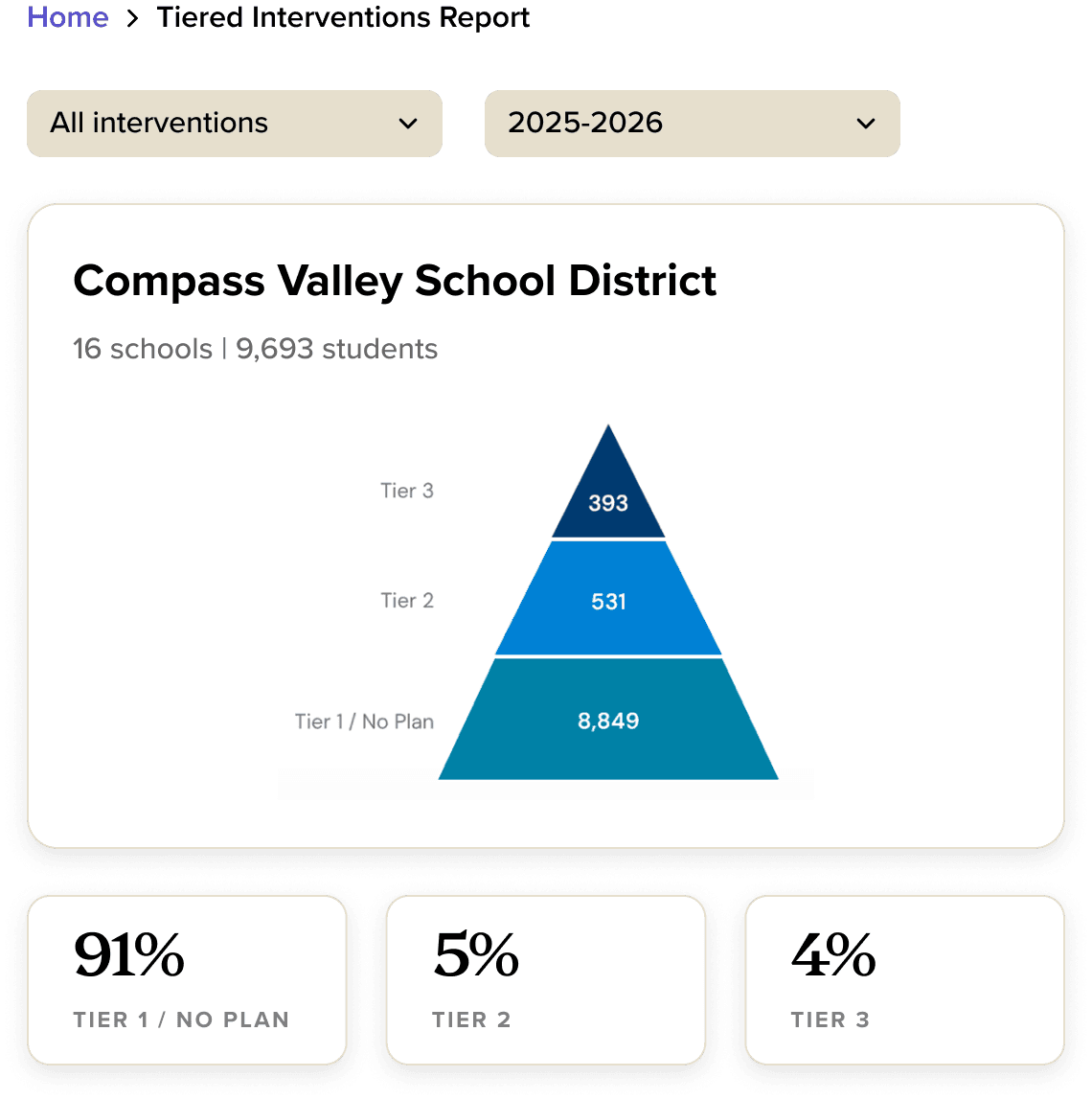
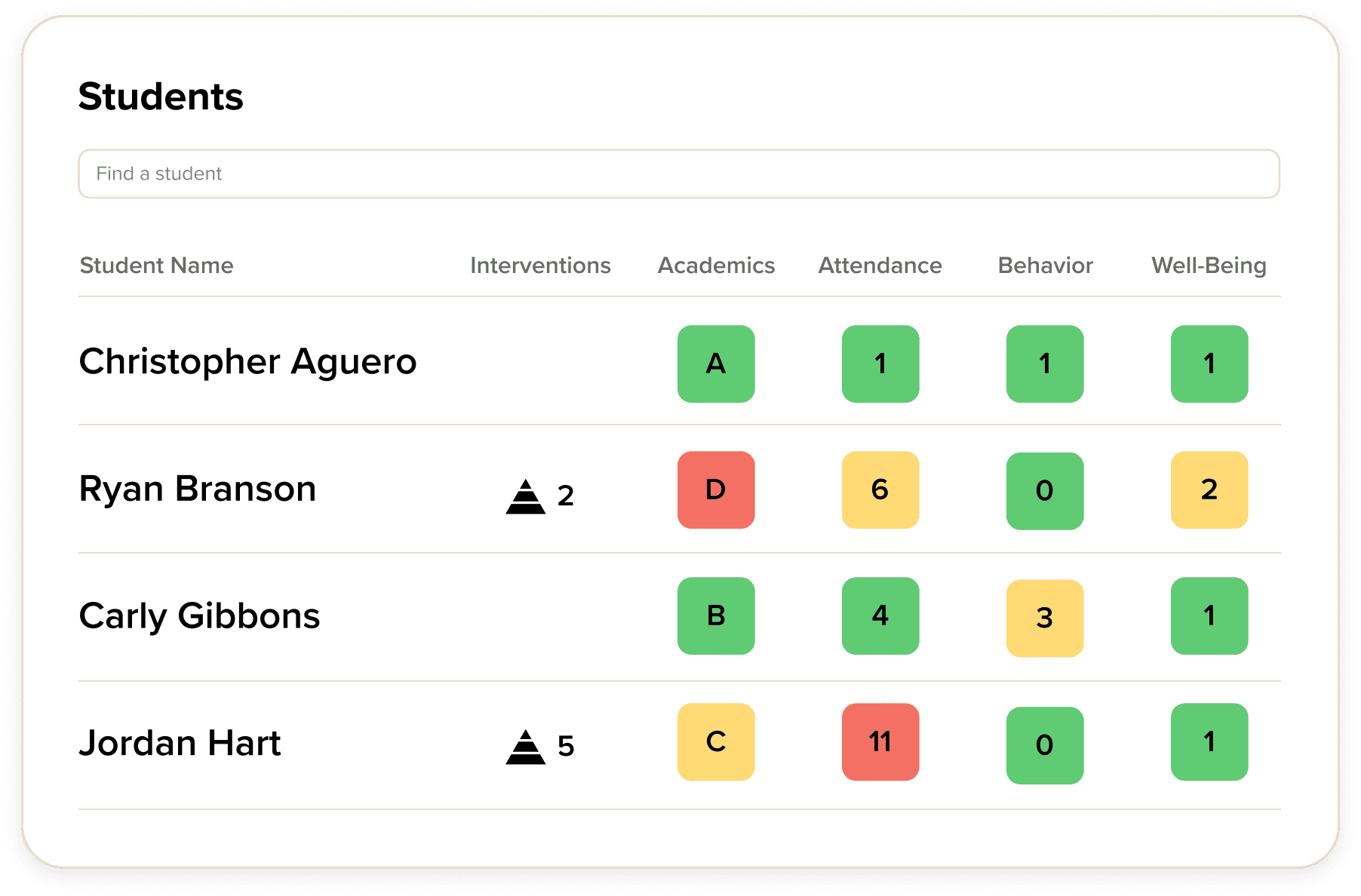
Connect academics, attendance, behavior, engagement, and survey data to get a more complete picture of every student.
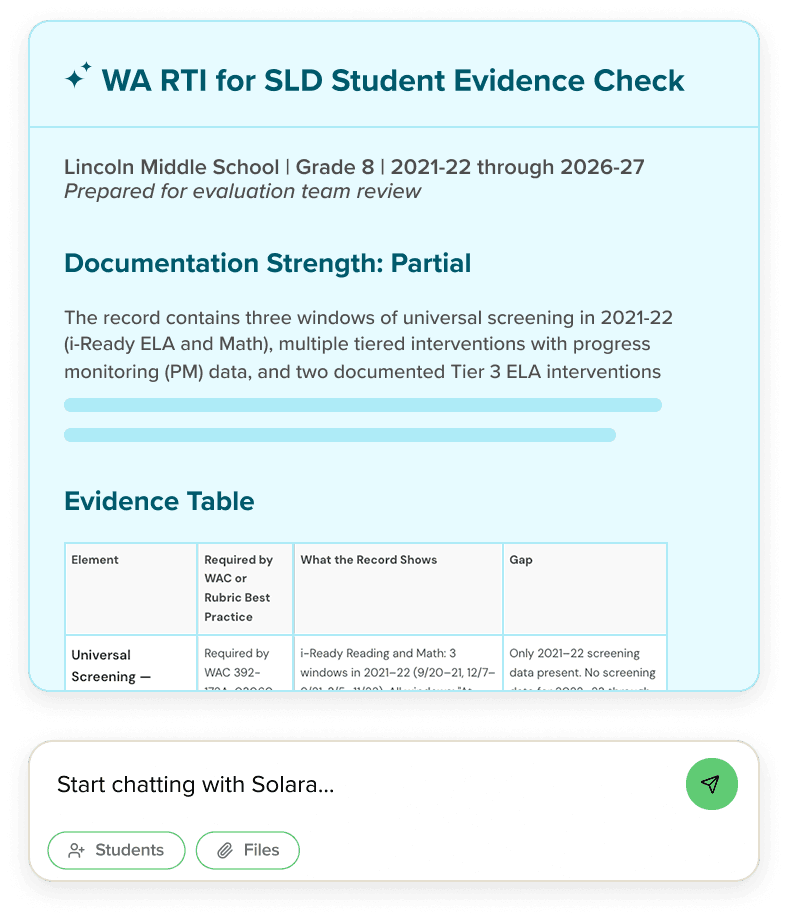
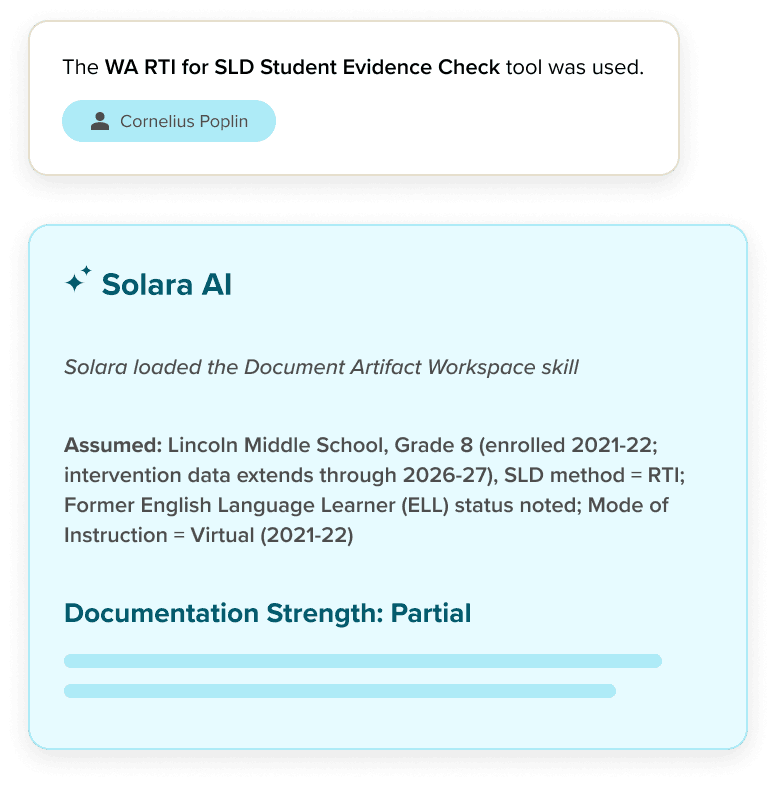
Keep a clear record of interventions and student progress to prepare for OSPI’s proposed shift to RTI-based SLD identification.
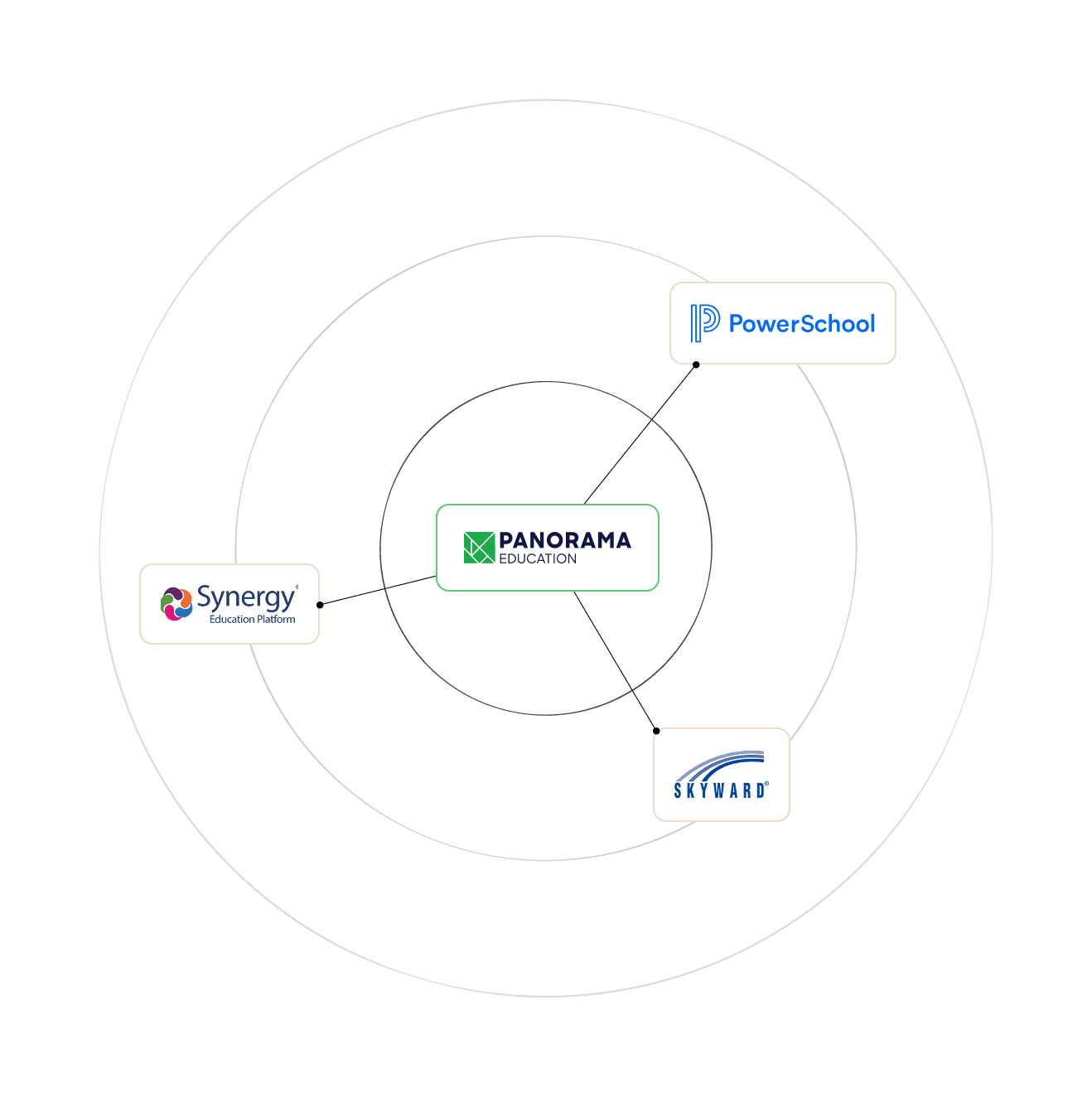
Connect Panorama with Skyward, Synergy, PowerSchool, and other systems to help educators turn the information they already have into meaningful action.
AI helps surface insights, streamline administrative work, and empowers teams to take action faster. Educators stay in control of every decision.
I’m able to help our system understand the data and put it into action at a much deeper and more consistent level, because the time I spend on analysis has been reduced exponentially.
1 day to 10 mins
For building-level analysis
Panorama works with trusted Washington partners and the technology districts already rely on.
Panorama integrates with PowerSchool, Infinite Campus, Synergy, assessment platforms, and more.
Through Panorama for Skyward, participating districts can use designated student data already maintained in Skyward within Panorama’s platform, which connects MTSS, surveys, and secure, district-aligned AI.
Join thousands of Washington educators that trust Panorama to support every student.
OSPI has proposed rules that would phase out the severe discrepancy option for SLD identification, moving districts to an RTI-based approach starting in 2028-29. That means eligibility decisions will rely more on evidence of the instruction and interventions a student received, how those supports were implemented, and how the student responded over time.