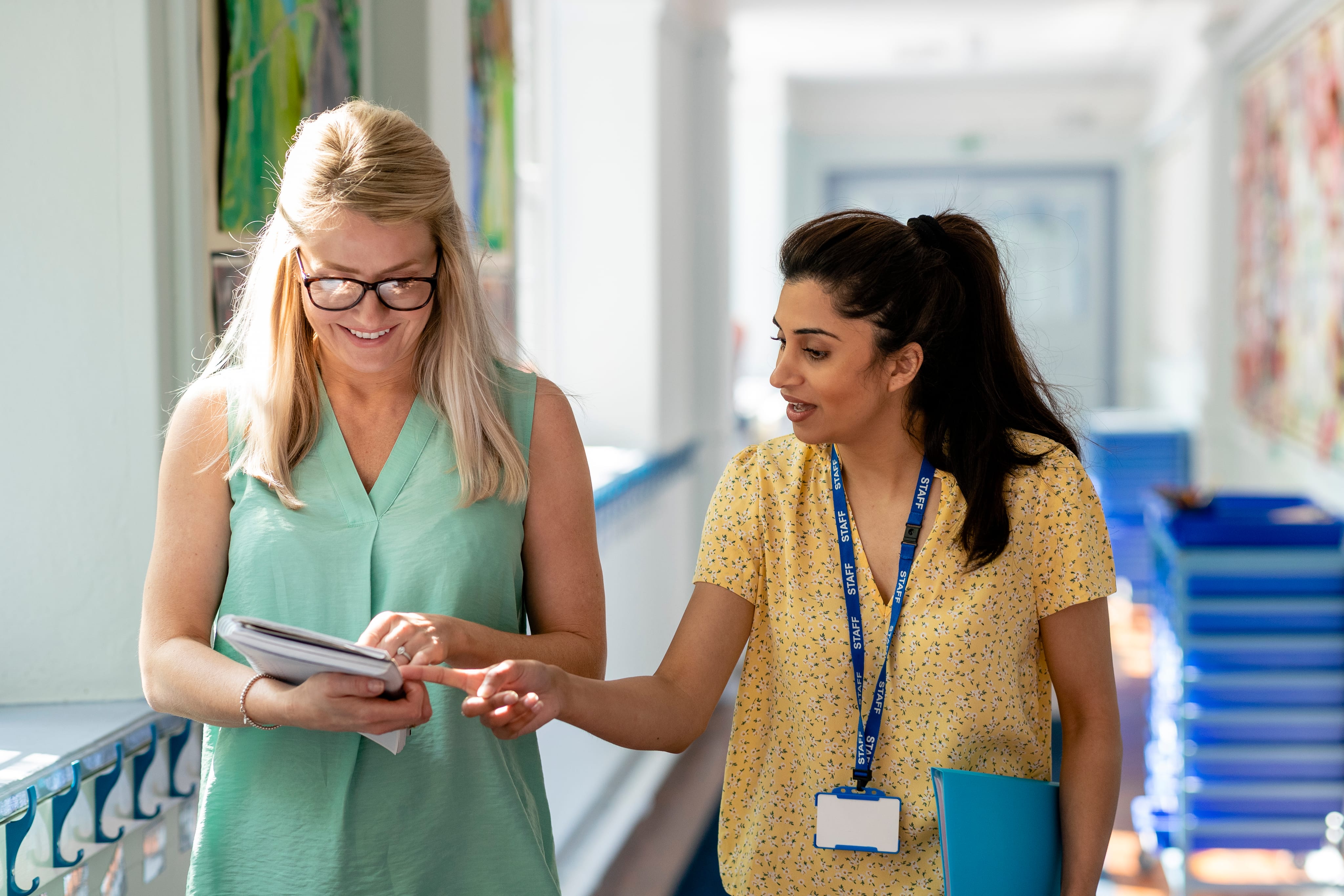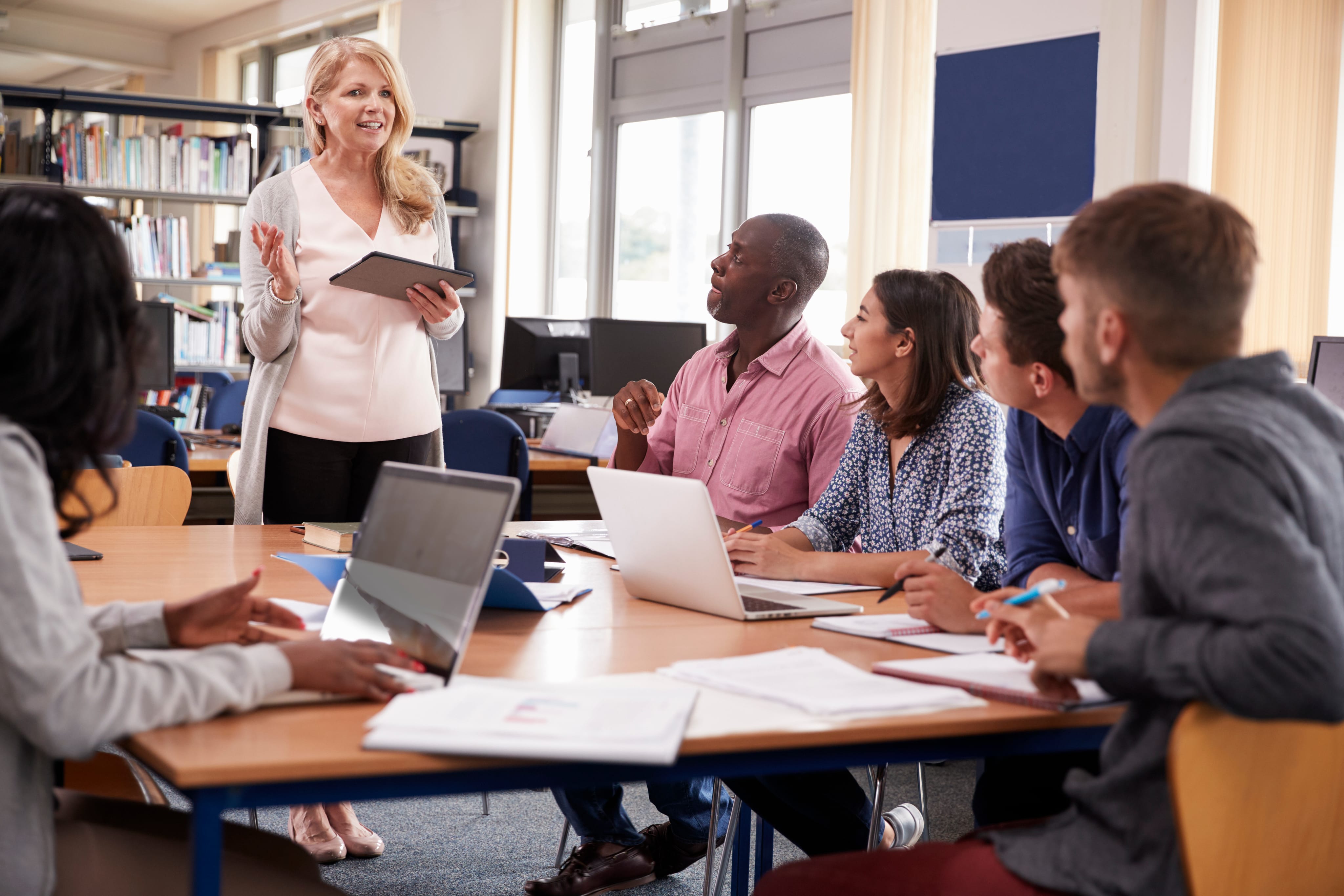
Teacher collaboration is foundational to an effective Multi-Tiered System of Supports (MTSS). When educators come together to review student data, align on instructional approaches, and coordinate interventions, schools are better equipped to respond to student needs in a timely, informed way. MTSS simply doesn’t work well in isolation.
This blog explores why collaboration is so essential to MTSS, what research tells us about its impact on student achievement, and how schools can intentionally create the conditions for educators to work together in meaningful, sustainable ways.
Why Teacher Collaboration Is Key to MTSS
MTSS depends on educators working from shared information about student needs, coordinating how interventions are delivered, and monitoring progress together over time. In practice, this collaboration often shows up through professional learning communities (PLCs), grade-level teams, cross-curricular teams, or co-teaching partnerships.
At its core, collaboration reflects how educators actually improve practice: by talking through what students need, sharing what’s working, and adjusting instruction together. Schools that prioritize collaboration create space for teachers to learn from one another and respond more consistently to student needs.
Effective collaboration goes beyond sharing ideas. It requires joint planning and shared accountability. When teachers collaborate well, they set goals together, divide responsibilities intentionally, and take collective ownership of outcomes. This distinction is especially important for MTSS, where tiered supports rely on ongoing coordination and adjustment rather than one-time handoffs.
MTSS Requires Shared Data and Shared Language
Effective MTSS depends on teams looking at student data across multiple domains, including academics, attendance, behavior, and life skills. Each domain offers an important signal, but no single educator sees the full picture alone. A classroom teacher may notice slipping grades. A counselor may be aware of challenges outside of school. An attendance clerk may spot a pattern of Monday absences. Without regular communication across roles, these insights stay siloed and students are more likely to fall through the cracks.
Shared language matters just as much as shared data. When one educator says a student is “struggling,” what does that actually mean? Academic gaps, behavioral concerns, or disengagement can all show up differently in the classroom. MTSS teams need clear, shared definitions for terms like “at-risk,” “Tier 2,” and “progress monitoring” so that information is interpreted consistently and decisions are grounded in the same understanding.
Research on professional learning for MTSS reinforces this point. Educators consistently point to job-embedded collaboration as a critical support, emphasizing the role of trust within teams. When teachers feel safe sharing what is and isn’t working, teams can have more honest conversations and make stronger intervention decisions. That trust turns data from a static report into a shared tool for action.
Collaboration Strengthens Tier 1 Instruction
A healthy MTSS framework is built on a strong Tier 1 foundation, where the majority of students respond to high-quality, universal instruction. When Tier 1 is weak, more students are pushed into Tier 2 and Tier 3 supports, stretching staff capacity and making the system harder to sustain. Collaboration helps prevent this. When teachers work together, they can align curriculum, share effective instructional strategies, and spot early signs that Tier 1 instruction needs adjustment.
Collaboration also makes it easier to connect academic and behavioral supports rather than treating them as separate efforts. When teachers plan together, they can design instruction that addresses both. A reading intervention might intentionally build in self-regulation strategies. A behavioral check-in might include a short academic goal tied to classroom learning. This kind of integration rarely happens in isolation. It becomes possible when educators have structured time and shared ownership over instruction.
Tiered Supports Require Coordination
Students receiving Tier 2 or Tier 3 supports often work with multiple adults, including classroom teachers, interventionists, counselors, and special educators. Each brings a different perspective and skill set. Without coordination, though, those efforts can unintentionally work at cross purposes. One adult may focus on growth-oriented behavioral strategies while another emphasizes consequences, leaving students unclear about expectations.
Consistent communication helps prevent this. Clear intervention plans, brief weekly check-ins, shared documentation, or standing collaboration time can keep everyone aligned on goals, strategies, and progress. The intent isn’t to add more meetings to already full schedules. It’s to build simple, repeatable habits that make coordination part of everyday practice rather than an afterthought.

What Research Says About Teacher Collaboration and Student Outcomes
Research consistently points to the same conclusion: when teachers collaborate, students benefit. Studies across grade levels and subject areas show that collaboration isn’t just a feel-good professional practice. It’s associated with measurable gains in student learning.
In classrooms where teachers regularly plan together, talk through instructional challenges, and share responsibility for student progress, students tend to perform better academically. Research has found that students show stronger gains in subjects like mathematics when their teachers engage in collaborative work rather than planning in isolation.
The quality of that collaboration matters. Studies examining teacher networks and professional relationships have shown that frequent, instruction-focused conversations, especially when paired with trust among colleagues, are linked to higher student achievement. When teachers feel supported by peers and confident sharing their practice, collaboration becomes a lever for improvement rather than an added obligation.
This pattern shows up across research as well. Students demonstrate higher achievement gains when teachers work together on curriculum, instructional strategies, and assessment. Taken together, the evidence suggests that effective teaching is rarely the result of individual effort alone. It’s shaped by the strength of the professional communities surrounding teachers and the structures that make collaboration possible.
4 Ways to Build Teacher Collaboration
Strong collaboration doesn’t happen by accident. Schools and districts can make it more consistent and effective by intentionally building it into daily practice. That starts with protecting time, establishing shared protocols, and grounding collaboration in real student data so conversations lead to action rather than compliance.
1. Schedule Protected Collaboration Time
Lack of time is one of the most common barriers to meaningful teacher collaboration, which makes scheduling a leadership decision, not an afterthought. Schools that take collaboration seriously protect time for it. Some create longer collaborative blocks by adjusting daily planning periods. Others rely on department chairs, instructional coaches, or administrators to provide coverage so co-teachers can meet consistently.
2. Use Data as the Center of Collaborative Conversations
Collaboration is most effective when conversations are grounded in data. When teams bring student work, assessment results, or attendance patterns to the table, decisions are based on actual need rather than perception. This keeps discussions focused on what students require and helps teams agree on clear next steps.
3. Establish Clear Norms and Protocols
Collaboration is more effective when expectations are clear. Teams should set shared norms for attendance, preparation, and follow-through so meetings are focused and productive. Simple protocols, such as structured data reviews or problem-solving frameworks, help keep conversations on track and centered on decisions rather than repeated discussion.
When collaboration leads to student growth, it’s important to acknowledge it. Recognizing these wins reinforces the value of working together and encourages teams to continue investing their time and effort.
4. Recognize the Challenges of Collaboration
Building collaboration is harder than it sounds. Teachers already carry heavy instructional loads, leaving limited time for the kind of coordination MTSS requires. In one case study, more than half of staff identified the loss of individual planning time as their biggest concern with collaboration.
Naming these challenges matters. When schools acknowledge real constraints instead of ignoring them, leaders are better positioned to design systems that make collaboration realistic and sustainable.
Collaboration Makes MTSS Work
Teacher collaboration is what makes tiered support possible. When educators share data, coordinate interventions, and align instruction, students experience more consistent support across classrooms and roles. Schools that protect time for collaboration and center conversations on student needs are better positioned to sustain MTSS and respond early when students need additional support.
Building collaboration into MTSS starts with giving teams clear structures to plan, implement, and monitor interventions together. Shared tools, common protocols, and regular check-ins help teams stay aligned and focused on progress rather than logistics.
Download the Interventions and Progress Monitoring Toolkit for free templates that help MTSS teams plan interventions, track progress, and coordinate support more effectively.